Creating Conscious Influence & Impact
A Deeper Application of Responsibility vs. Response-ability
Live Virtual Continuing Education Workshop for Mental Freedom Certified Professionals
Mental Freedom teaches us that we cannot control other people.
Yet we are never without influence.
Every question we ask, experience we share, boundary we establish, emotional response we demonstrate, and choice we make contributes to the environment around us.
The question is not whether we influence others. The question is whether we are doing so consciously, responsibly, and in alignment with Mental Freedom principles.
Creating Conscious Influence & Impact is an advanced application workshop for Mental Freedom Certified Professionals who want to examine how their influence affects clients, participants, colleagues, family members, and the communities they serve.
Mental Freedom Cannot Be Imposed
When someone is struggling, stuck, resistant, or making choices we believe will hurt them, it is natural to want to help.
We may explain the concept again, point out likely consequences, offer a more empowering story, encourage response-ability, or try to move the person toward the choice we believe will create less suffering.
But Mental Freedom cannot be imposed.
Using Mental Freedom language to pressure someone toward our preferred outcome is still an attempt at external control.
Workshop Details
Date: Friday, September 18, 2026
Time: 1:00–4:00 PM Central Time
Location: Live online via Zoom
Investment: $69
Mental Freedom community rate: $45 for current and former Mental Freedom program participants
Continuing Education
Three Mental Freedom-specific continuing education hours are available toward MFC recertification for participants who attend the full workshop and complete all requirements.
MFCs who are also eligible for BCC or Illinois counseling/social work continuing education may request the applicable professional CE documentation.
This Workshop Is Designed For:
Mental Freedom Certified Professionals
Authorized MFX Facilitators
Mental Freedom Facilitators
Advanced Mental Freedom practitioners
Mental Freedom trainers
Professionals incorporating Mental Freedom concepts into their work

What Is Mine, and What Belongs to Them?
This workshop uses Mental Freedom Principle 1, Responsibility vs. Response-ability, as its central framework.
Participants will explore:
What belongs to the Mental Freedom professional
What remains the other person’s responsibility
When safety, ethics, law, professional standards, or capacity concerns may require intervention
When another person retains the right to choose differently
How the three-question qualifier can help determine whether becoming response-able would be prudent
How to support responsibility without rescuing, over-functioning, or taking control
We will also consider what happens when someone says: “Just tell me what to do.”
How can we remain present and useful without accepting responsibility for a decision that belongs to the other person?
We Cannot Know What Is Best for Another Person
Even with professional education, decades of experience, or a strong understanding of Mental Freedom, we remain different from the person we are helping.
Each person brings different needs, values, priorities, experiences, relationships, support systems, goals, risk tolerances, and ideas about who they want to become.
What worked for us may not work for them.
The fact that we see a path to less suffering does not give us the right to insist that another person take it.
Influence by Living, Sharing, and Modeling
Mental Freedom professionals can influence by living in ways that may inspire reflection.
We can model emotional responsibility, integrity, curiosity, empowering language, healthy boundaries, and trust in our ability to respond when life does not go our way.
We can also share relevant personal experiences while clearly communicating: “This is what worked for me. You are a different person in a different situation, and you can decide what is useful.”
Our lives and experiences can become invitations rather than instructions.
Influence Happens Through Relationship

Clients receive challenge differently when they know the coach:
We care about them
We respect them
We are not trying to win
We are not judging them
We respect their right to choose
Our care is not conditional on compliance
Influence becomes more constructive when it is grounded in connection, credibility, honesty, transparency, trust, and autonomy.
When Their Choice Does Not Work Out
Respecting another person’s autonomy does not guarantee that their decision will produce a positive outcome.
When someone chooses a path we feared would not work and painful consequences follow, we may think:
I should have pushed harder.
I should have done more.
I knew this would happen.
Maybe I failed them.
Principle 1 helps us review what genuinely belonged to us, take responsibility for anything that was ours, and release responsibility for choices and consequences that belonged to the other person.
A painful outcome does not retroactively make their decision ours to have made.
What You Will Explore
Conscious influence versus external control
Responsibility, response-ability, and returning agency
When intervention may be required
Applying the three-question qualifier to influence decisions
Sharing information and experience without directing or nudging
Using Mental Freedom language without imposing Mental Freedom
Responding when someone asks to be told what to do
Influencing through relationship and modeling
Releasing inappropriate responsibility when another person’s choice has painful consequences
Trusting others with their choices and trusting ourselves to respond
Learning Objectives
By the end of the workshop, participants will be able to:
Differentiate conscious influence from external control within the Mental Freedom framework.
Distinguish professional responsibility, individual responsibility, and response-ability.
Apply the three-question qualifier to determine whether a response is prudent.
Use Mental Freedom concepts, questions, information, and personal experience without overriding autonomy.
Respond constructively when another person asks them to make the decision.
Differentiate appropriate accountability from inappropriate responsibility for another person’s choices and outcomes.
Instructor
Kim Olver, LCPC, NCC, BCC
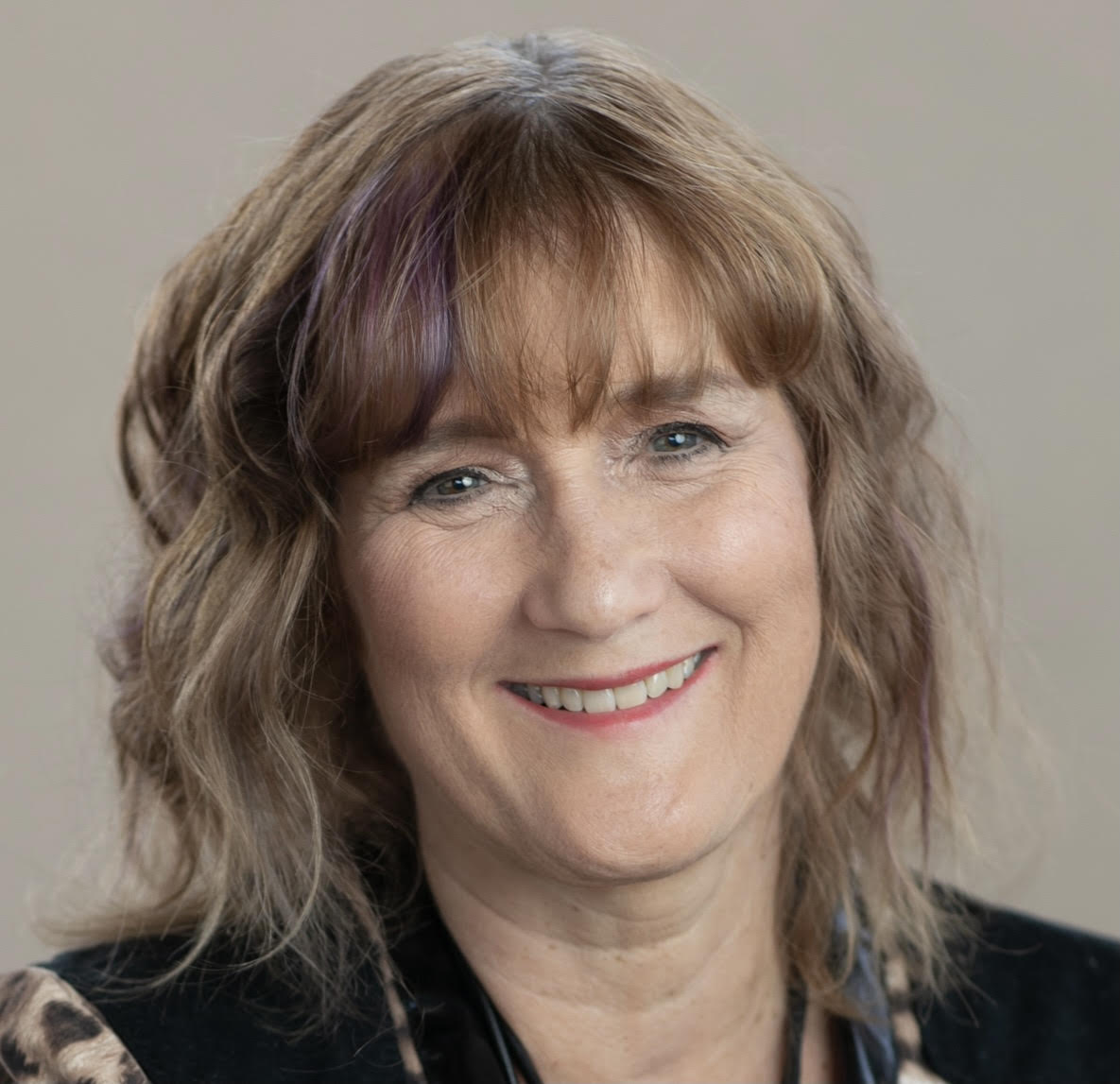
Kim Olver, LCPC, NCC, BCC, is the creator of Mental Freedom® and author of Mental Freedom: You Hold the Key. Her work integrates decades of counseling, coaching, teaching, leadership, and Choice Theory® practice into a framework that helps people reduce unnecessary suffering and respond more intentionally when life does not go their way.
Influence Without Taking Over
You do not need to control the outcome to have a meaningful impact.
You can care, listen, model, inform, question, and remain present while respecting that another person’s life belongs to them.
Registering a team?
Organizations may register five participants for $276, the cost of four standard registrations.